
Zao's juhyo (snow monsters) are trees encased in ice and snow, forming surreal sculptures across the mountainside every winter. Dewa Sanzan's three sacred mountains have drawn yamabushi pilgrims for centuries. In spring, the Kajo Park moat fills with cherry blossoms. Yamagata beef rivals Kobe, and the soba is some of Japan's finest.
What Yamagata is known for
Top-rated in Yamagata
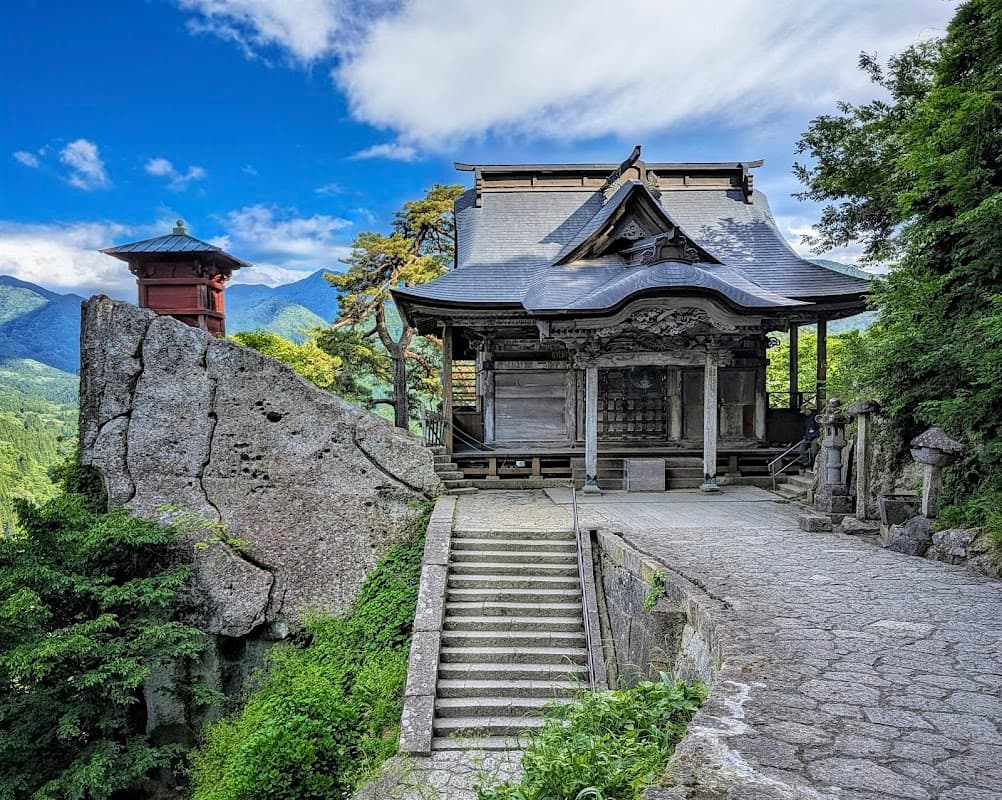
Godaido Hall
4.7temple
Godaido is a cliffside hall in the upper reaches of Yamadera.
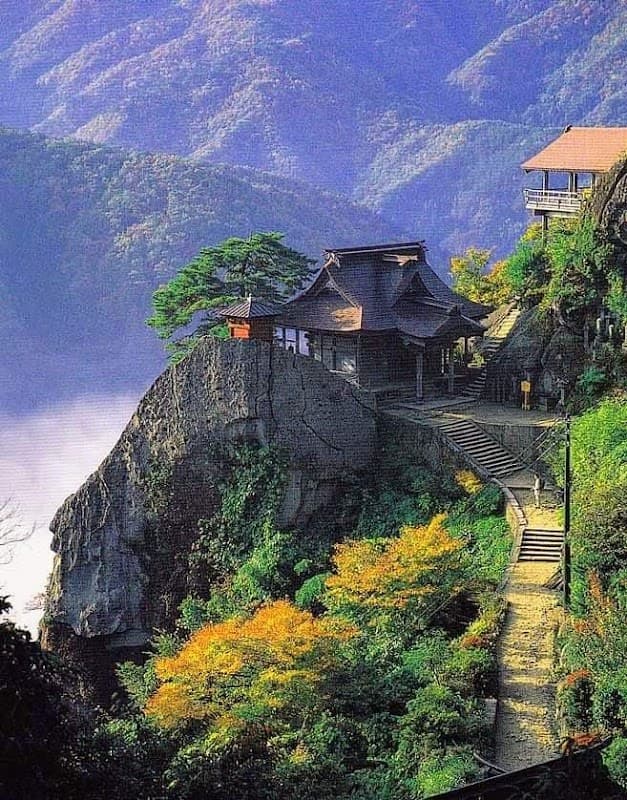
Shozoin Temple
4.5temple
Shozoin is one of four surviving temple halls at Yamadera, the mountain temple complex in Yamagata where monks trained across 12 buildings until the Edo period.
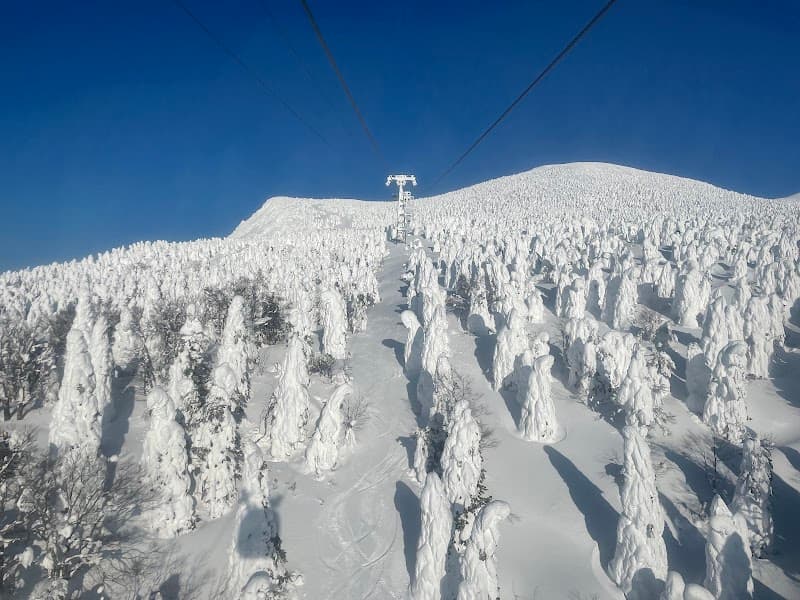
Zao Snow Monsters
4.5nature
Siberian winds sculpt massive ice-encrusted trees into monster shapes, viewable by ropeway and illuminated nightly.
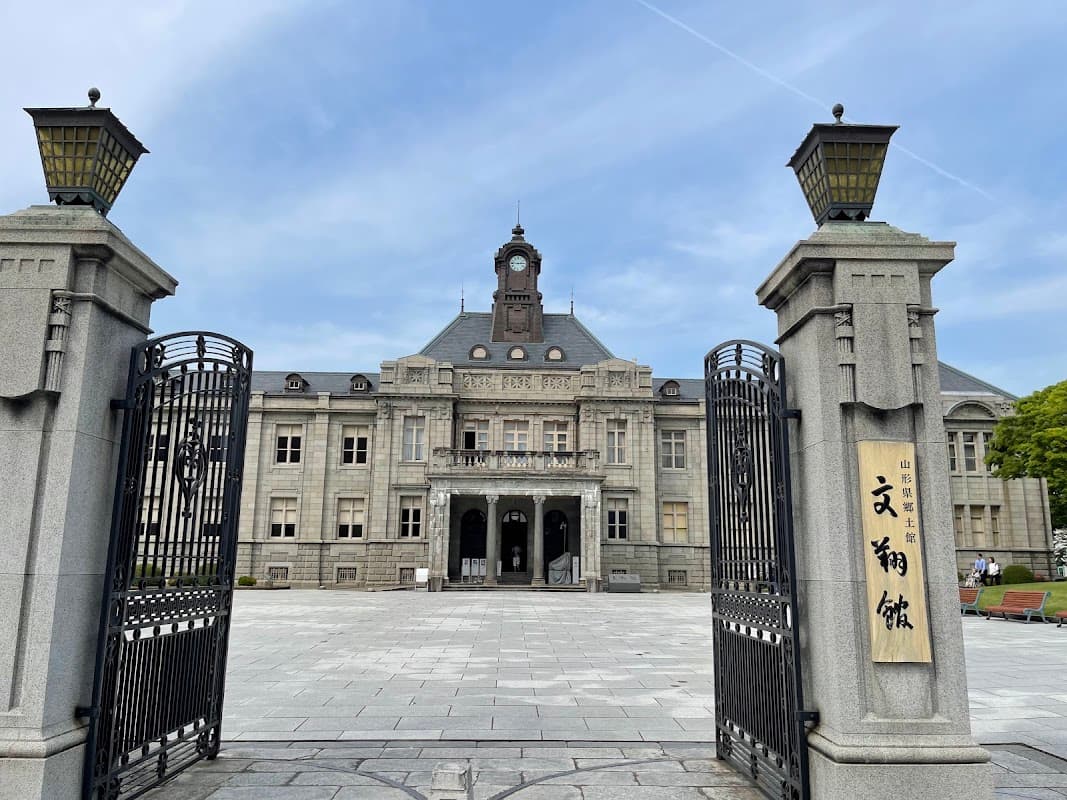
Datsueba and Ubado Hall
4.3temple
In Buddhism it is believed that the deceased must cross the Sanzu River, which lies at the border between this world and the afterlife.
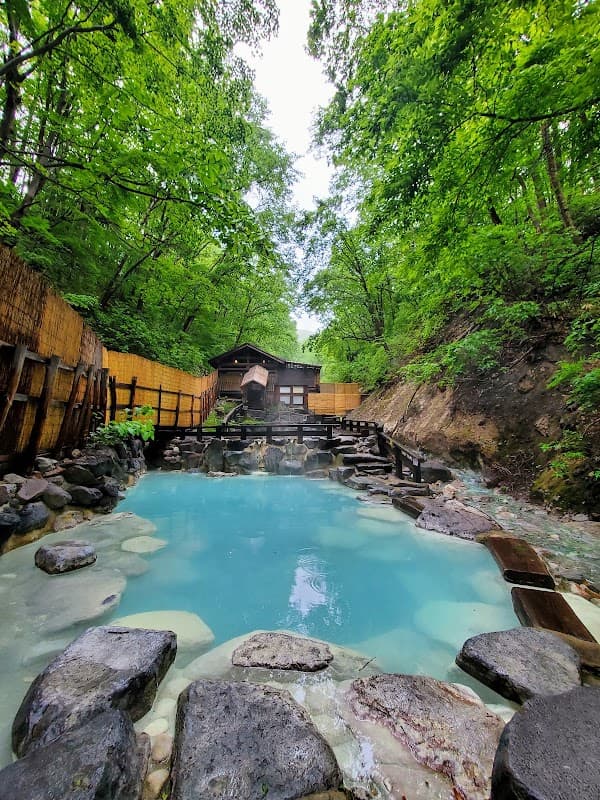
Zao Onsen Dai-rotenburo
4.3onsen
A massive outdoor hot spring nestled in a mountain ravine with highly acidic blue-tinted water.
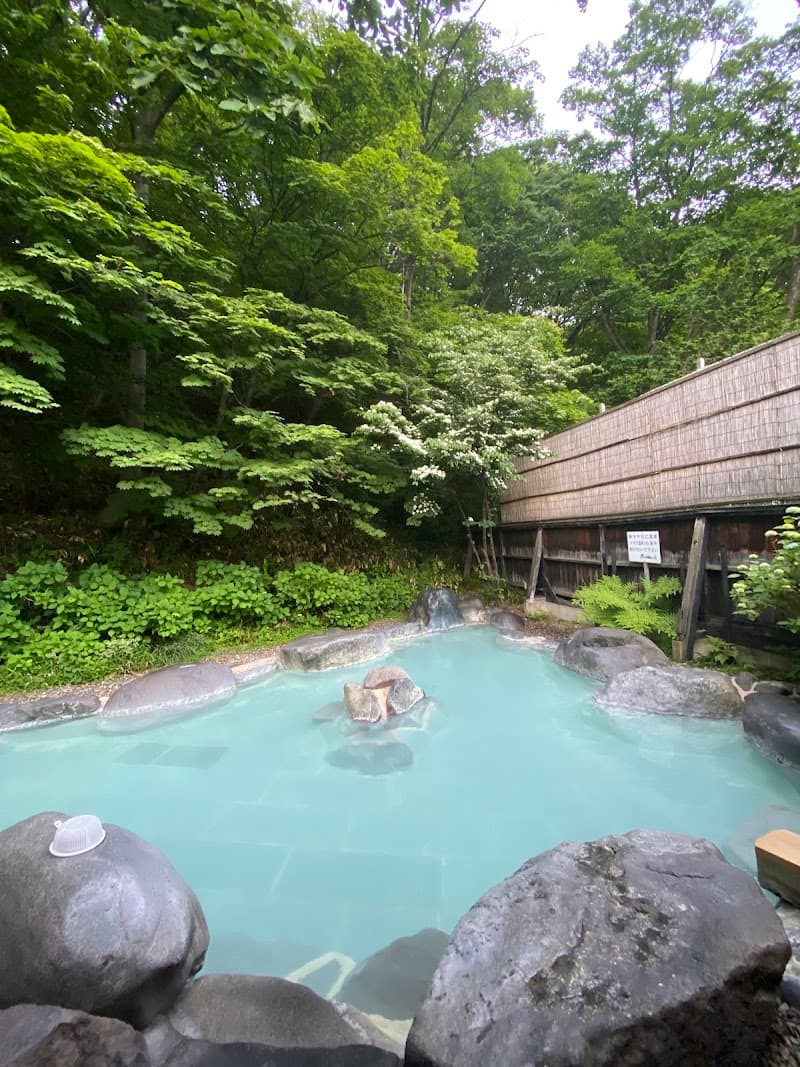
Genshichi Roten no yu Zao Onsen
4.2onsen
Unfussy, rustic onsen featuring outdoor thermal pools, an indoor tub & basic amenities.
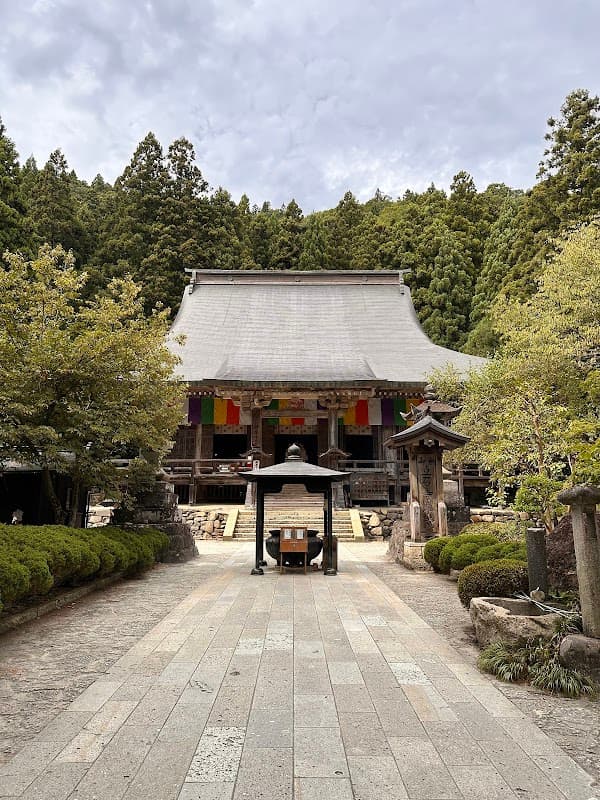
Konpon Chudo
4.2temple
A sacred flame has burned for centuries in the Konpon Chudo, Yamadera’s main hall, gently illuminating its inner sanctum.
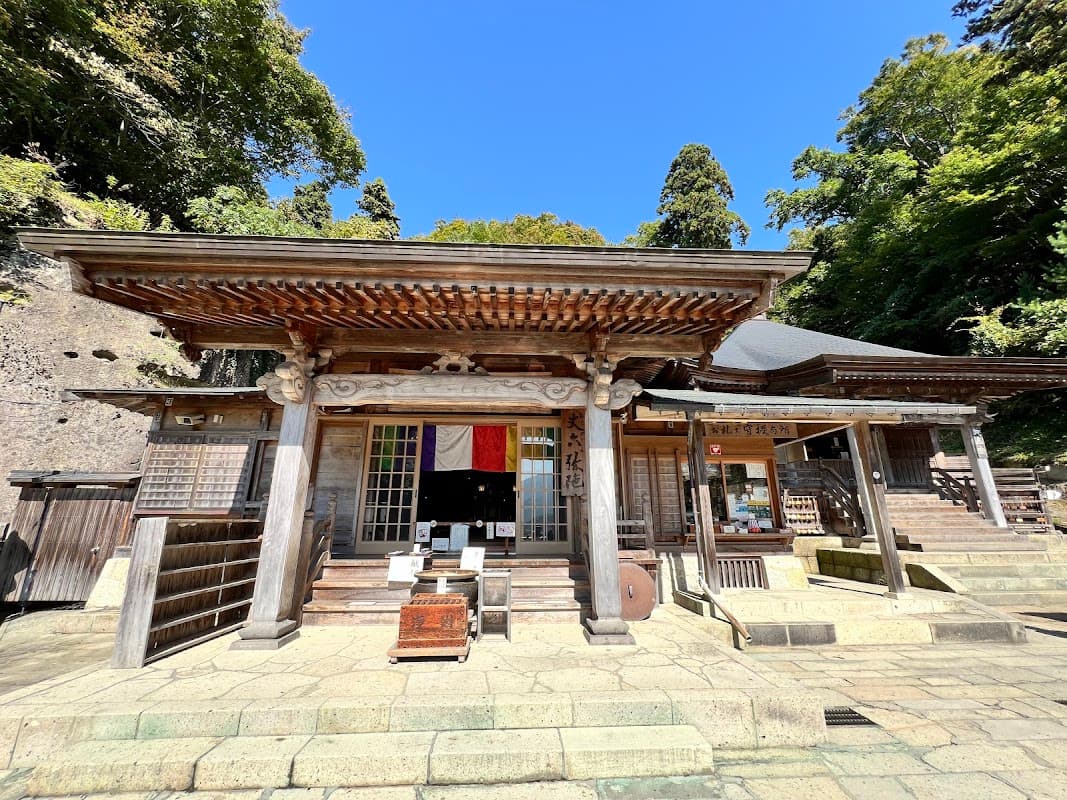
Daibutsuden (Okunoin)
4.3temple
The journey up 1,015 steps to the top of the Yamadera temple complex ends at the Okunoin inner sanctuary.