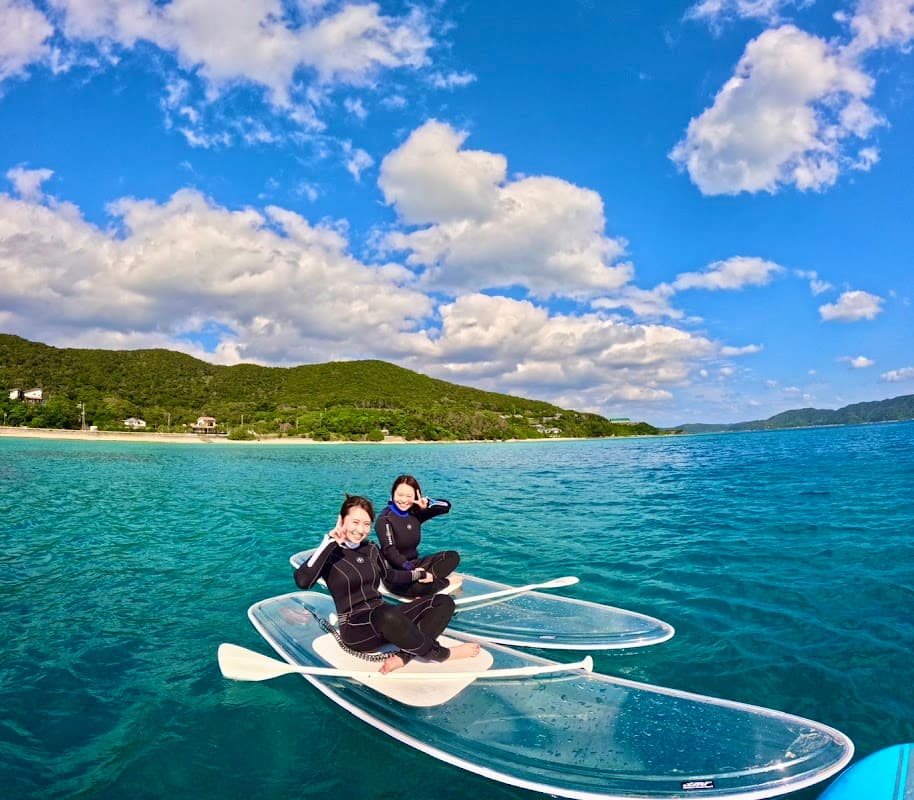
Amami Oshima sits between Kyushu and Okinawa, a subtropical island with UNESCO-listed forests. Mangrove kayaking, traditional mud-dyeing (dorozome), and empty beaches define the experience. The Amami black rabbit lives in these forests and nowhere else on Earth.
What Amami is known for
Top-rated in Amami
Oshima Strait Marine Life
5.0nature
The strait between the islands of Amami-Oshima and Kakeroma is about 20 kilometers long, running northwest to southeast and ranging from 2 to 6 kilometers in width.
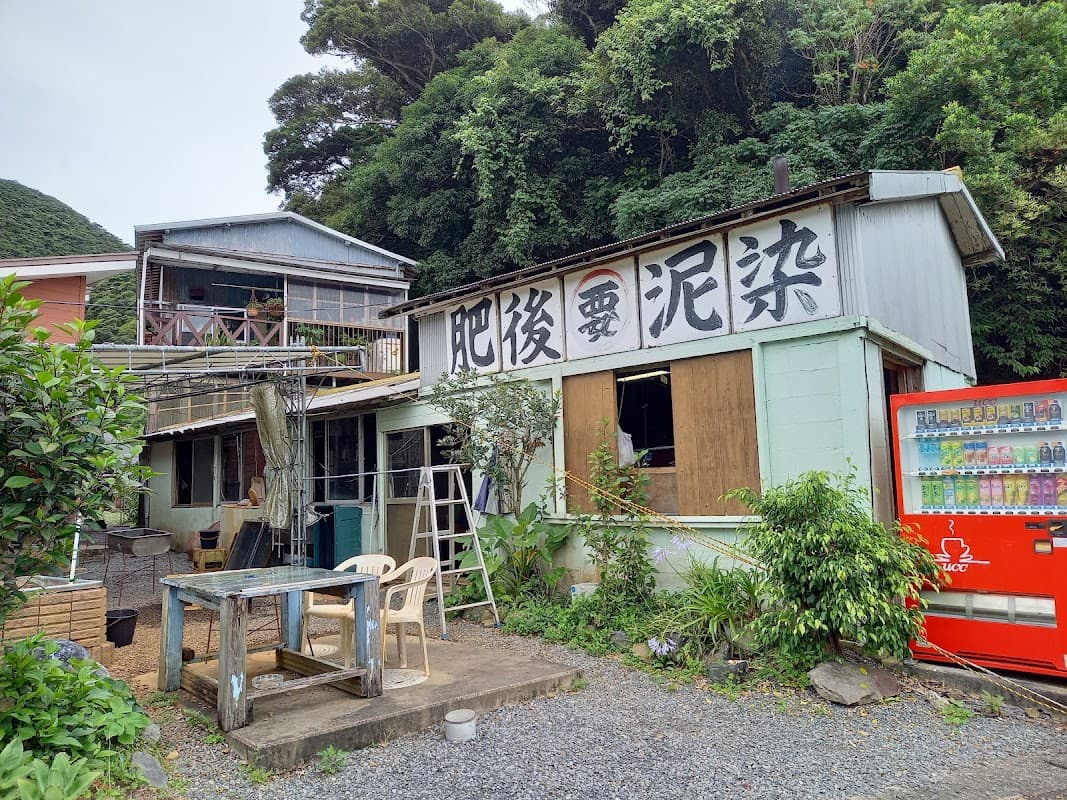
Symbolic Plants of Amami-Oshima
4.8nature
Several plants are considered to be “symbols” of the island.
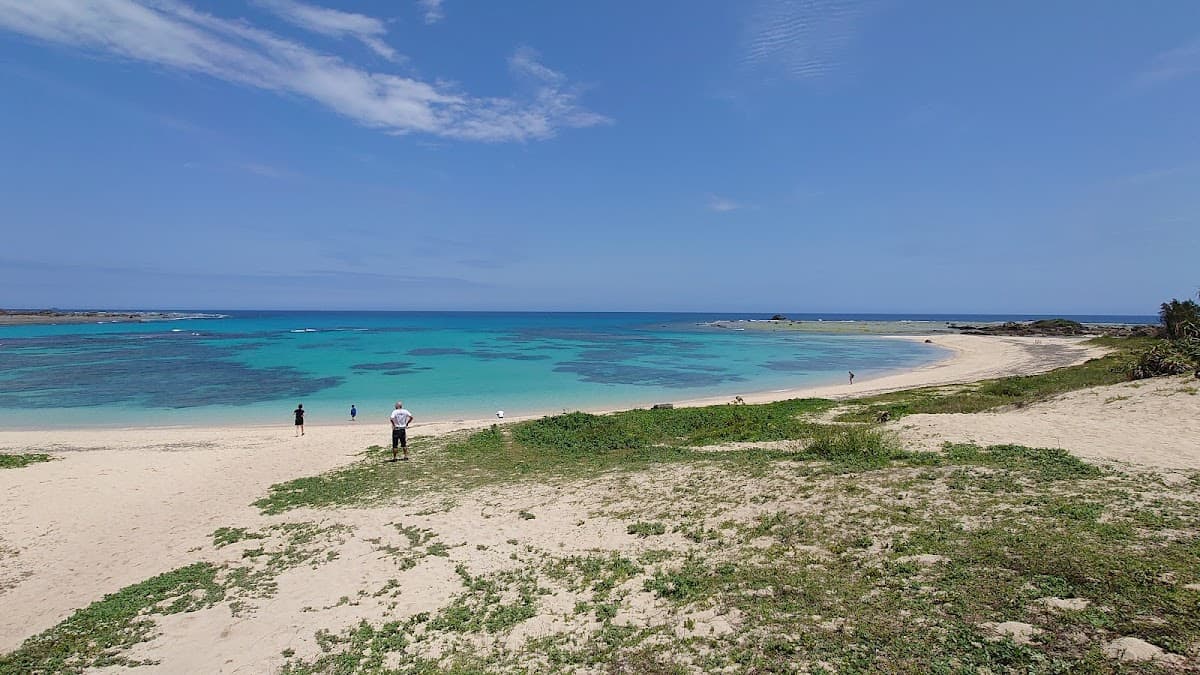
The Reefs of Amami-Oshima
4.6nature
The reefs around Amami-Oshima are a mix of fringing and barrier reefs, the majority being the former.
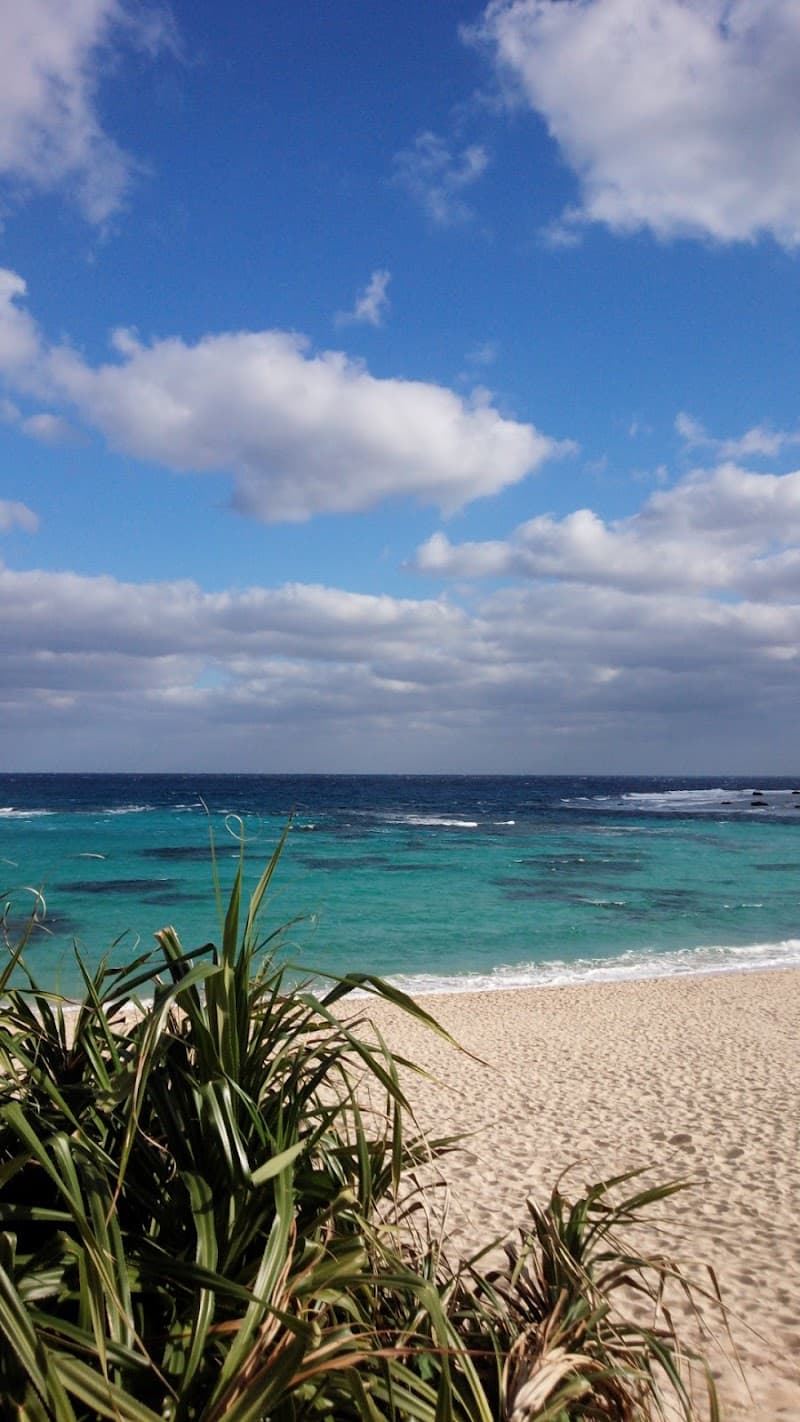
Amami Ōshima
4.5nature
Subtropical island south of Kagoshima with Japan's second-largest mangrove forest, pristine beaches, and rare wildlife.
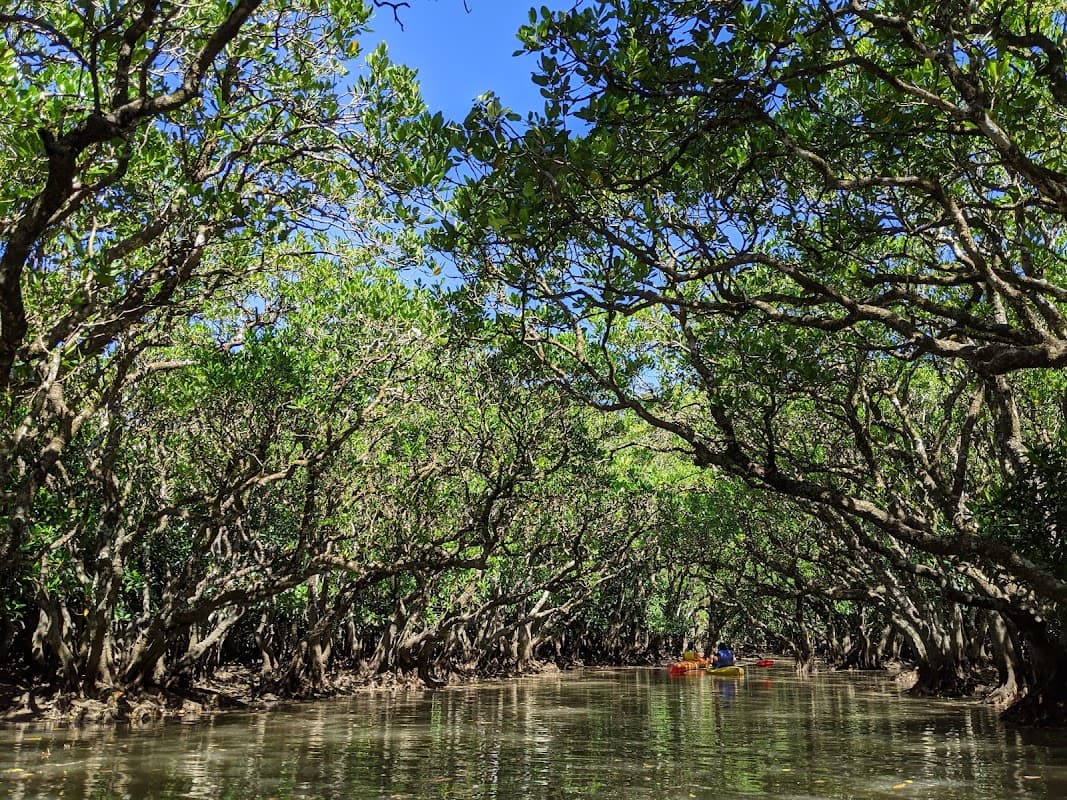
Kurio River Mangroves
4.5nature
A group of small mangroves (Kandelia candel) can be found in the southern coastal area of Yakushima, along the Kurio River.
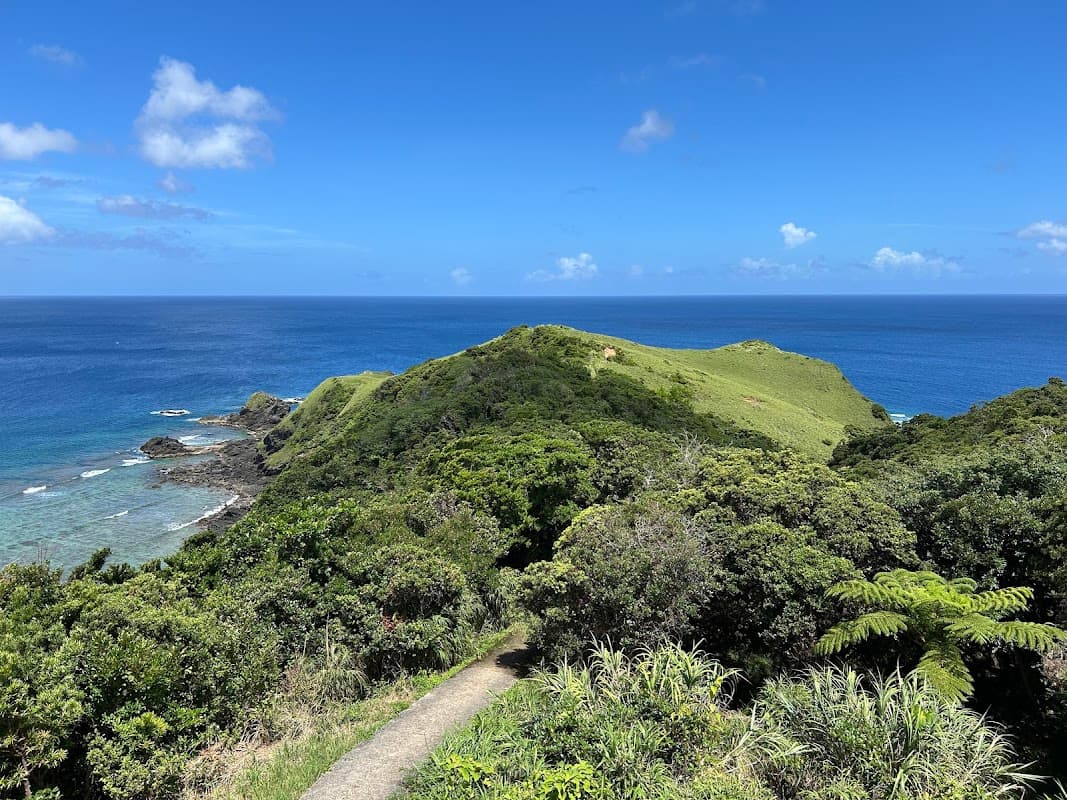
Miyakozaki Cape
4.6nature
Miyakozaki Cape is an elevated promontory on the western coast of Amami Oshima.
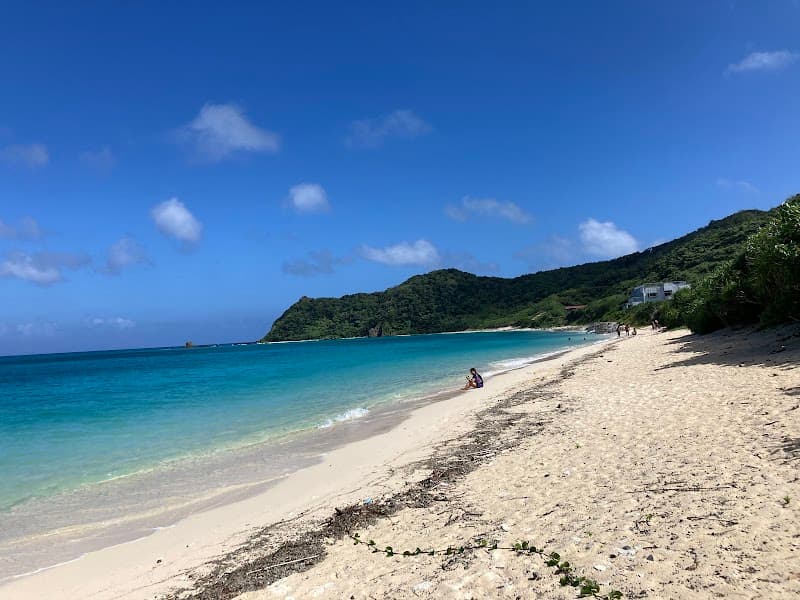
Sakibaru Beach
4.6beach
Amami beach at Japan's first discovered meteorite crater site, prized for swimming and snorkeling in clear waters.
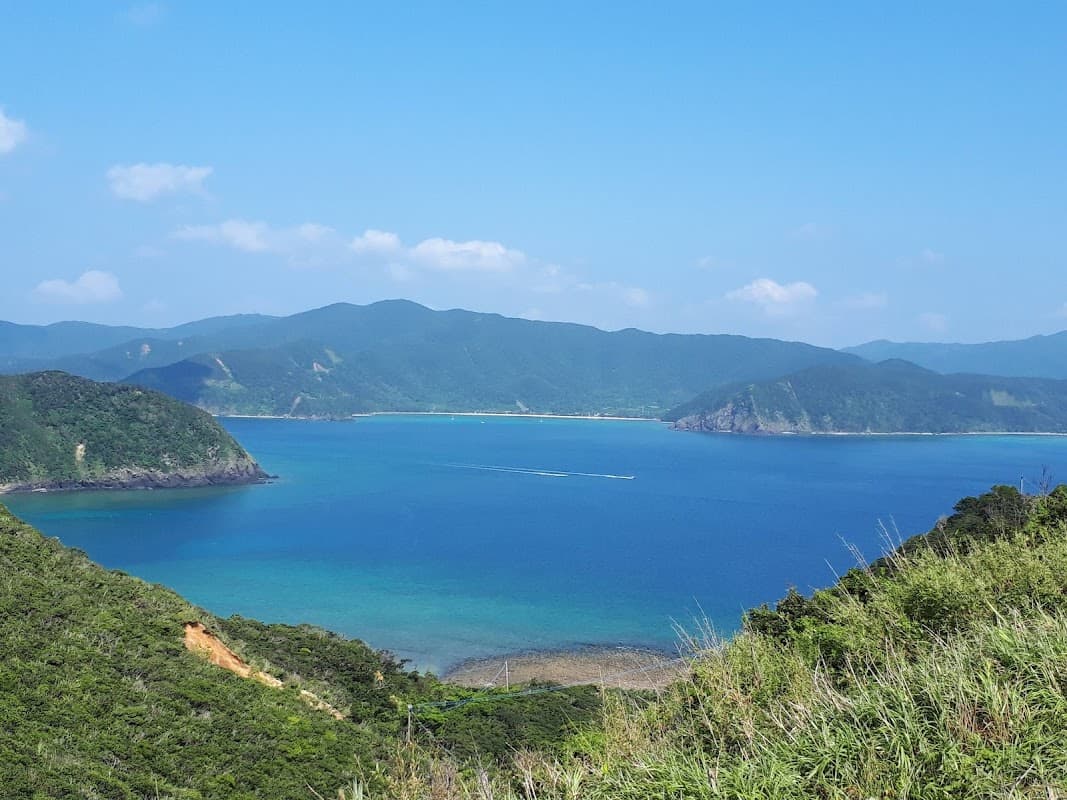
Amami Gunto National Park
4.6park
The national park was established in 2017 and spans the Amami island group, part of the Ryukyu Islands.